29/07/2026
Cellular confinement systems have become an essential component of modern geotechnical and civil engineering projects. Among these systems, Geocell stands out for its ability to improve ground stability, increase load-bearing performance, and provide long-term durability.
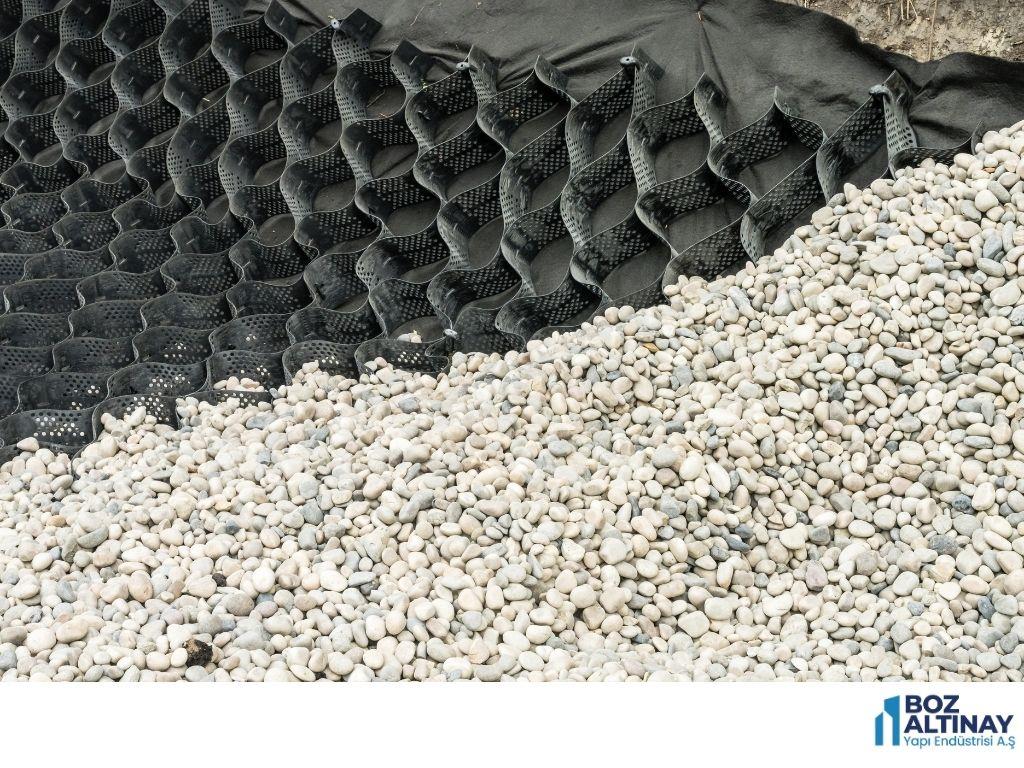
Particularly in projects involving weak or unstable soils, the Geocell Cellular Confinement System significantly enhances ground performance by confining fill materials within a three-dimensional cellular structure.
This approach provides a more controlled and reliable alternative to conventional fill methods.
The primary purpose of a cellular confinement system is to prevent lateral movement of fill materials under load. Geocell achieves this by enclosing aggregate or soil within interconnected cells that limit displacement and improve structural integrity.
As a result:
This confinement mechanism creates a stronger and more durable foundation for infrastructure projects.
Geocell provides advantages that extend beyond soil stabilization, delivering operational and economic value throughout the project lifecycle.
The system enhances the load-bearing capacity of weak soils and improves overall structural stability.
By minimizing settlement and deformation, Geocell lowers the frequency of repairs and maintenance.
Improved long-term performance helps reduce operating and maintenance expenses over the lifespan of the infrastructure.
Geocell maintains consistent ground performance, even under repeated traffic loads and challenging environmental conditions.
The system can reduce the need for imported aggregate and extensive excavation, contributing to more efficient and sustainable construction practices.
Geocell Cellular Confinement Systems are widely used in:
These applications demonstrate the versatility of Geocell across a broad range of transportation and infrastructure projects.
Geocell confines fill materials within interconnected cells, improving load distribution, increasing ground stability, and reducing settlement.
Yes. When properly designed and installed, Geocell provides a durable, long-term solution for soil stabilization and infrastructure support.
Yes. Geocell is specifically designed to reinforce weak subgrades by increasing confinement and distributing loads more efficiently.
Roads, parking areas, industrial facilities, logistics centers, construction access roads, railway infrastructure, and other projects requiring improved ground performance.
Yes. By reducing deformation, rutting, and settlement, Geocell helps lower long-term maintenance and repair costs.
The Geocell Cellular Confinement System is a highly effective ground stabilization solution that improves infrastructure performance by controlling fill material movement and optimizing load distribution. Its long-term durability, reduced maintenance requirements, and reliable structural performance make it an ideal choice for modern civil engineering, transportation, and infrastructure projects.