10/07/2026
Membrane systems, which stand out with their durability and long-lasting performance in waterproofing applications, have a wide range of uses in the construction industry. Bituminous membranes are among the most traditional and reliable waterproofing solutions, especially in foundation and roofing applications, thanks to their strong water resistance. Their flexible structure allows easy installation and provides long-term protection against moisture.
In modern projects, PVC membranes are frequently preferred for terrace roofs and swimming pools due to their lightweight structure and UV resistance. Rubber-based EPDM membranes attract attention with their environmentally friendly properties and ability to be installed seamlessly over large areas. TPO membranes, which have become increasingly popular in recent years, are widely used especially in industrial roofing systems thanks to their energy-efficient and eco-friendly formulation.
In this article, we explain what a membrane is, what it is used for, its types, application areas, and advantages in a technical yet easy-to-understand way.
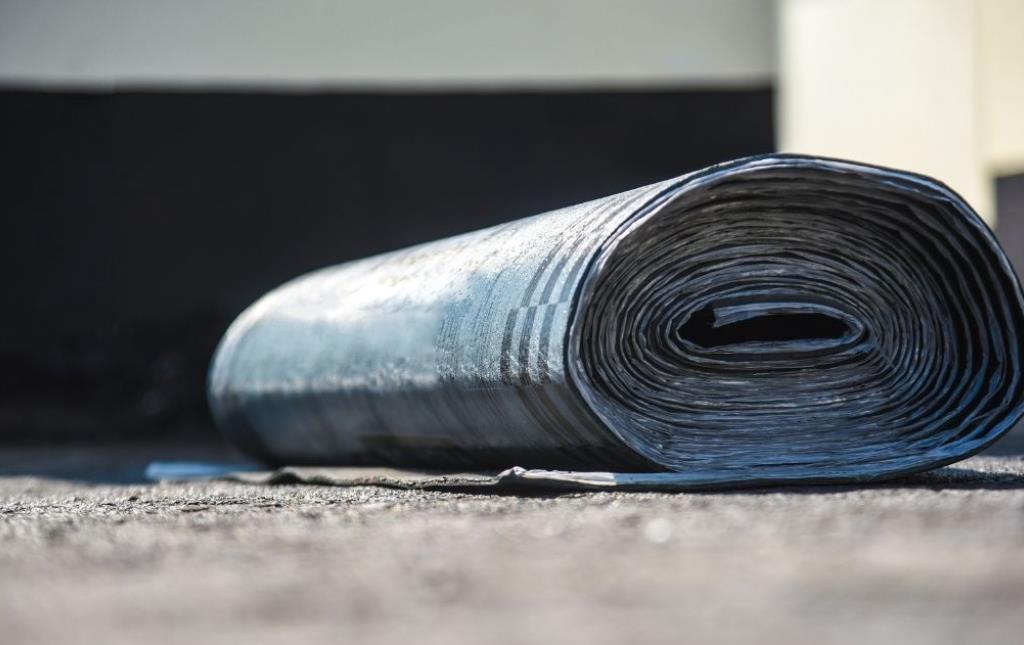
A membrane is a flexible and durable waterproofing material used to protect structures against water, moisture, and certain chemical effects. It is generally manufactured in rolls and applied by laying or bonding onto surfaces. Thanks to its waterproof structure, it extends the service life of buildings and reduces maintenance costs.
The most common membrane types are bituminous, PVC, EPDM, and TPO-based products. Each type is developed for different surface conditions, climate conditions, and application requirements.
Membranes vary according to their production materials and intended applications. The most commonly preferred types are as follows:
It is the most widely used membrane type. It is based on petroleum-derived bitumen. Bituminous membranes are mainly divided into two groups: elastomeric (SBS) and plastomeric (APP) membranes. They provide high durability in foundation, roofing, and curtain wall waterproofing applications.
PVC membrane is a synthetic membrane based on polyvinyl chloride. It stands out with its flexibility, resistance to UV rays, and practical installation advantages. It is commonly used in terrace roofs, swimming pools, and wet areas.
EPDM membrane is a rubber-based, long-lasting, and environmentally friendly waterproofing solution. It provides high resistance against UV rays, ozone, and temperature changes. It can be applied over large surfaces with minimum joints.
TPO membrane is a new-generation thermoplastic polyolefin-based membrane. It is preferred in modern projects due to its lightweight structure and easy welding properties. It stands out with its energy-efficient characteristics.
Membrane applications can be performed in all building sections exposed to water risks. The main application areas include:
Teras roof systems
Pitched roofs
Foundation waterproofing systems
Curtain wall waterproofing
Wet areas such as bathrooms and kitchens
Swimming pools
Steel structure roof coverings
Industrial facilities and warehouses
Membranes provide reliable waterproofing solutions for different types of structures.
Before starting the membrane application, the surface must be clean, dry, and smooth. A primer is then applied to improve adhesion between the surface and the membrane.
The general application steps are as follows:
Roll membranes are heated with a torch and bonded to the surface.
Overlap areas are joined by welding.
Special cutting and coating applications are performed on corners and detailed areas.
A protective layer can be added when required.
With proper installation, membranes provide effective protection against water leakage for many years.
The main advantages of using membranes include:
Provides complete waterproofing
Offers long service life
Resistant to UV rays and abrasion
Contributes to energy efficiency
Protects reinforced concrete structures against corrosion
Provides fast and economical installation
Fire-resistant alternatives are available
A membrane is a flexible coating material, generally produced in roll form, used for waterproofing purposes. It protects structures against water and moisture.
They are used in foundations, roofs, terraces, curtain walls, swimming pools, and wet areas.
Bituminous membranes are generally applied using heat, while PVC membranes are joined using welding methods. Their material structures and application areas are different.
With proper installation and suitable material selection, membrane systems can provide durability for 20–30 years. Climate conditions and application quality affect this period.
Membranes are essential construction materials that provide both economical and effective waterproofing solutions. When used in roofing, foundation, and curtain wall applications, they extend building life, reduce maintenance costs, and contribute to energy efficiency.
Choosing the right membrane type is as important as ensuring correct installation. By selecting the appropriate solution for your project, you can achieve long-lasting and reliable waterproofing performance.