10/07/2026
Waterproofing is one of the most important applications that improves the durability of buildings and protects structural elements against the harmful effects of water. Selecting the right waterproofing material for areas exposed to water, such as roofs, terraces, and intermediate floors, plays a critical role in ensuring long-term performance and reducing maintenance costs.
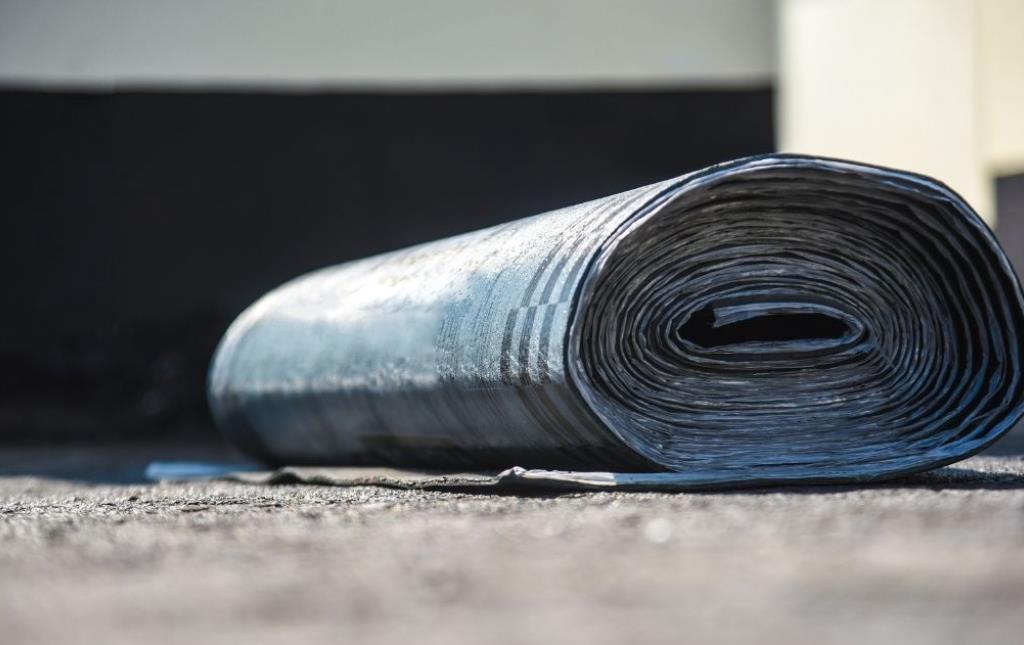
2 mm –5°C APP modified bituminous membrane is an APP (Atactic Polypropylene) modified bitumen-based waterproofing membrane that stands out with its lightweight structure, economical cost, and successful performance in moderate climate conditions. It provides an effective solution, especially for applications requiring lightweight waterproofing systems.
Thanks to the APP modification, the membrane maintains its form stability at high temperatures, provides resistance against UV rays, and offers improved durability against environmental effects.
This product is a bitumen-based waterproofing membrane modified with APP (Atactic Polypropylene). APP additives improve resistance against high temperatures, help maintain dimensional stability, and increase durability against sunlight exposure.
With a thickness of 2 mm, it is suitable for lightweight waterproofing applications. Its –5°C cold flexibility value makes it a suitable choice for moderate climate regions. For areas with severe cold weather conditions, SBS modified membranes with higher low-temperature flexibility are generally recommended.
Thickness: 2 mm
Cold Flexibility: –5°C
Modification Type: APP (Atactic Polypropylene)
Reinforcement Layer: Polyester felt or fiberglass mat depending on project requirements
Surface Type: Polyethylene film coated or sand-coated surface
Application Method: Torch-applied installation
Lightweight Roofing Systems: Suitable for areas where additional structural load should be avoided.
Intermediate Floor Waterproofing: Used to prevent water transmission between building levels.
Terrace Roofs: Provides long-term waterproofing performance under protective concrete layers.
Prefabricated Structures: Preferred due to its lightweight structure and fast installation advantages.
Budget-Oriented Projects: Provides an economical yet durable waterproofing solution.
Cost Advantage: Its thinner structure makes it an economical waterproofing option.
Lightweight Structure: Does not create significant additional load on roofing systems.
Practical Installation: Allows fast and easy installation with torch application.
UV Resistance: APP modification improves long-term performance against sunlight exposure.
Suitable for Moderate Climates: With –5°C cold flexibility performance, it can be effectively used in regions such as the Aegean, Mediterranean, and Marmara areas.
Surface Preparation: The application surface must be clean, dry, and smooth before installation.
Primer Application: Bituminous primer application improves adhesion performance.
Joint Details: Overlaps should be at least 10 cm, and joints must be fully bonded using torch application.
Surface Protection: UV-resistant products should be selected for exposed applications, while sand-coated products are preferred under protective concrete layers.
1. In which regions is it suitable for use?
It is ideal for moderate climate regions such as the Aegean, Mediterranean, and Marmara areas. It is not recommended for regions with extremely low temperatures.
2. Can it be used for foundation waterproofing?
For foundation applications, membranes with higher thickness values, generally at least 4 mm, and better low-temperature flexibility are recommended.
3. What advantage does APP modification provide?
APP modification improves resistance to high temperatures and provides better durability against UV radiation.
4. What should be considered during installation?
Proper surface preparation, suitable primer usage, sufficient heating during torch application, and correct overlap distances are essential for achieving maximum performance.
2 mm –5°C APP modified bituminous membrane is an efficient waterproofing solution for lightweight and economical applications. With its temperature resistance, easy installation advantages, and reliable performance in moderate climates, it is widely preferred in modern construction projects. Proper product selection and professional installation ensure long-lasting protection against water penetration.