10/07/2026
Bituminous membrane is a flexible waterproofing sheet made from bitumen-based materials and used to provide water insulation in buildings. It is widely preferred in areas exposed to moisture and water, such as foundations, terraces, roofs, retaining walls, and parking structures.
As one of the most commonly used waterproofing systems in the construction industry, bituminous membrane is widely applied in both residential buildings and large-scale construction projects due to its durability, long service life, and cost-effective performance.
The main purpose of bituminous membrane is to protect structures against water penetration. By preventing water from entering the building, it protects reinforced concrete elements from damage and extends the service life of the structure.
The main applications include:
A properly installed bituminous membrane system can provide reliable performance for many years.
Bituminous membrane systems are widely used in:
It is one of the most commonly preferred waterproofing solutions, especially for foundation and roofing applications.
Bituminous membranes are classified into different groups according to their production technology and modification materials.
APP-modified membranes provide high resistance to elevated temperatures and are commonly preferred in hot climate regions.
Advantages:
SBS-modified membranes have a more flexible structure and reduce the risk of cracking in cold weather conditions.
They are especially preferred for moving structures and regions with colder climates.
Bituminous membrane systems generally consist of the following layers:
The reinforcement type and bitumen quality directly affect the overall performance of the product.
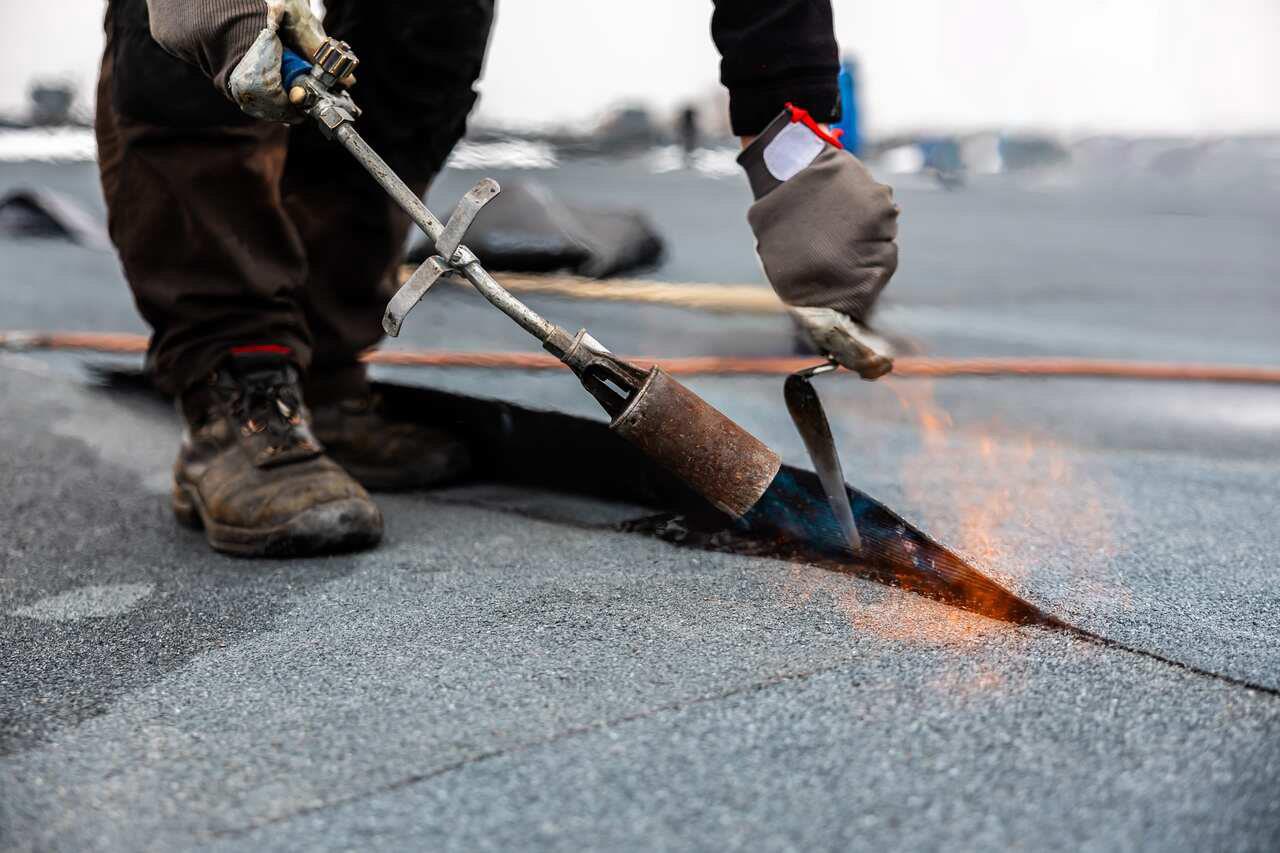
Bituminous membrane installation is generally carried out using a torch flame method.
The application process includes:
Improper installation can significantly reduce the performance of the waterproofing system.
The main advantages of bituminous membrane systems include:
Thanks to these features, bituminous membrane has become one of the most widely used waterproofing solutions in the construction industry.
There are many different bituminous membrane manufacturers and brands available in Turkey and worldwide.
Well-known brands in the sector include:
When selecting a product, factors such as membrane type, reinforcement structure, thickness, and application requirements should be considered in addition to the brand name.
Each system has different advantages, and the most suitable option should be selected according to project requirements.
Bituminous membrane prices vary depending on:
When evaluating prices, not only the material cost but also system performance and installation quality should be considered.
Important criteria for selecting the right product include:
A high-quality product combined with professional installation is one of the most important factors determining the service life and performance of a waterproofing system.