10/07/2026
Sanded bituminous membrane is a waterproofing material manufactured by coating the upper surface of a bitumen-based waterproofing membrane with fine mineral sand. It is widely used in foundation, retaining wall, terrace, and roof waterproofing applications. In multi-layer waterproofing systems, it is commonly installed as a base or intermediate layer.
Thanks to its durability and cost-effectiveness, sanded membrane is one of the most commonly used waterproofing products in the construction industry, helping protect buildings against moisture and water penetration.
The primary purpose of waterproofing is to protect building components from water-related damage. Sanded membranes provide several important benefits:
They are particularly effective in foundation and terrace waterproofing systems.
Sanded membranes are suitable for a wide range of applications, including:
They are also widely used as the bottom layer in double-layer waterproofing systems.
SBS-modified membranes maintain flexibility even at low temperatures.
Advantages:
APP-modified membranes are designed for superior performance in high-temperature environments.
Sanded and mineral-finished (slate-coated) membranes are often confused, but they serve different purposes.
Sanded Membrane
Mineral-Finished (Slate-Coated) Membrane
For exposed roof applications, mineral-finished membranes are generally the preferred choice.
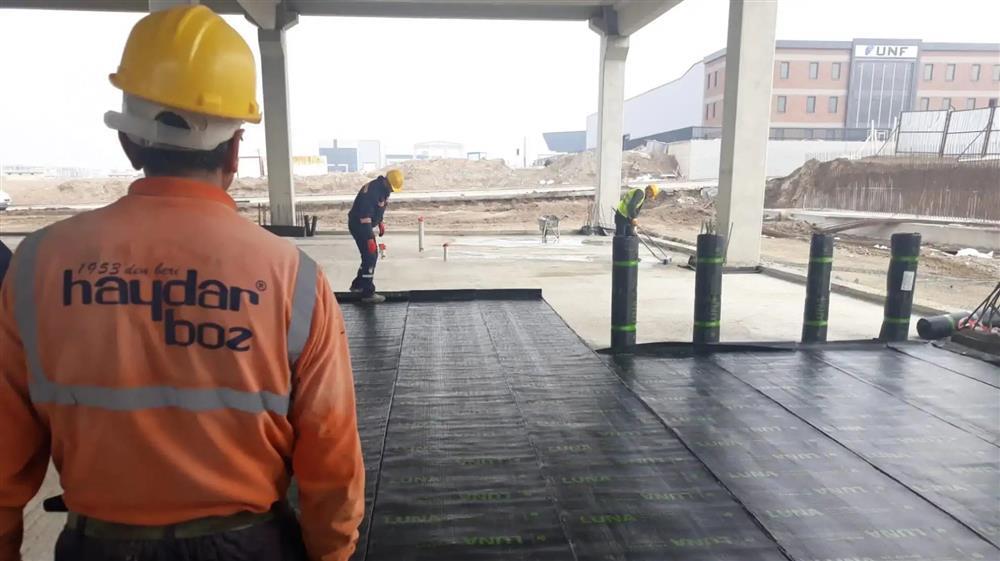
Proper installation is essential for long-term waterproofing performance.
Typical installation steps include:
Professional installation ensures reliable waterproofing and long-term durability.
These advantages make it a preferred solution for residential, commercial, and industrial construction projects.
The price of sanded bituminous membranes depends on several factors, including membrane thickness, reinforcement type, bitumen quality, and manufacturer. Membranes with 3 mm and 4 mm thicknesses are among the most commonly used products on the market.
Sanded bituminous membrane is a reliable and economical waterproofing material used in a wide variety of construction applications, from foundations to roofs. By protecting structures against water infiltration, it helps extend building lifespan, reduce maintenance requirements, and improve long-term structural durability. Proper material selection and professional installation are essential to achieving maximum waterproofing performance.