01/07/2026
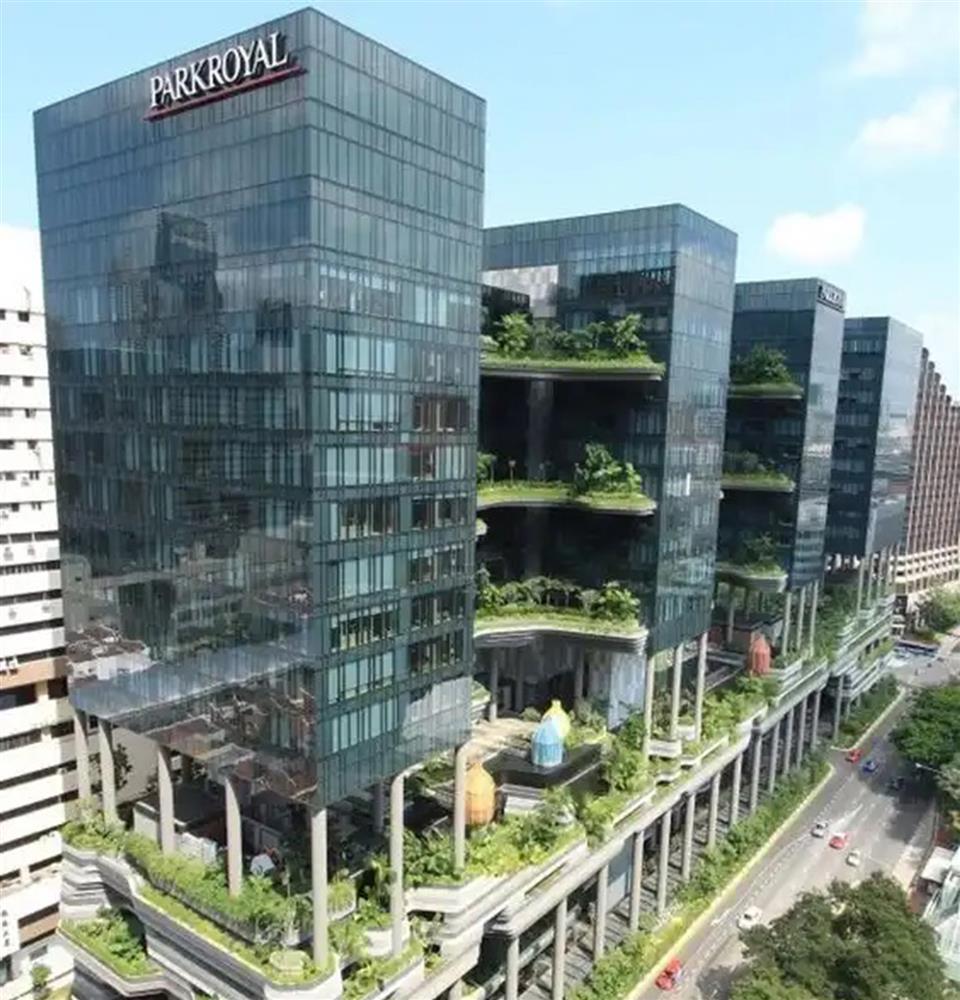
A green roof system is a type of environmental design in which vegetation is grown on the rooftops of buildings. These systems are created by covering roof surfaces with plants and soil. In addition to their aesthetic value, green roofs can provide environmental benefits and energy savings.
Green roof systems can generally be classified into two main categories:
Intensive (Structured) Green Roofs: These systems feature more complex vegetation. They include deeper soil layers and a wider variety of plant species. Intensive green roofs can support larger plants and even small trees. They also have higher water retention capacity and can provide habitat benefits. However, they are heavier and require more maintenance.
Extensive (Simple) Green Roofs: These systems use low-maintenance vegetation with shallower soil layers and fewer plant varieties. They typically include low-growing plants such as grass and sedum. Extensive green roofs are lighter and easier to maintain, while still offering environmental benefits.
The advantages of green roofs include:
Thermal insulation: Vegetation reduces heat gain by protecting the structure from direct sunlight, helping to keep indoor spaces cooler. Energy savings: Improved insulation reduces the need for heating and cooling systems, lowering energy consumption. Stormwater management: Green roofs absorb rainwater and slow its drainage, helping to reduce flood risk. Aesthetic value: They enhance the visual appeal of urban environments and support biodiversity. Air quality: Plants contribute to cleaner air. Environmental benefits: Green roofs help compensate for the lack of green spaces in urban areas and support sustainability.
However, green roof systems require careful design and proper application, including correct plant selection, waterproofing, drainage, and insulation.
The most suitable insulation for green roofs varies depending on roof type, vegetation, and local climate conditions. Generally, the following insulation layers are used:
Thermal insulation: Materials such as rock wool, glass wool, polyurethane foam, and extruded polystyrene help regulate indoor temperature and improve energy efficiency. Root barrier insulation: Prevents plant roots from damaging the roof structure and protects the waterproofing layer. Waterproofing: Prevents water from penetrating the structure and causing damage. Drainage system: Ensures excess water is properly removed, protecting both plants and structure. Air barrier insulation: Protects insulation layers from external air conditions and improves overall performance.
In green roof applications, material selection and correct installation are critical. One of the most commonly preferred solutions in this field is Dörken Delta Floraxx. Its advantages include:
Root protection: Prevents plant roots from damaging the roof surface and protects the waterproofing layer, extending roof life. Water management and drainage: Allows controlled water flow, preventing water accumulation and supporting plant health. Air and water permeability: Ensures plants receive adequate oxygen and water while allowing excess moisture to drain effectively. Environmental sustainability: Supports natural cycles and contributes to ecological balance in urban areas. Thermal insulation contribution: Vegetation helps reduce temperature fluctuations and supports energy efficiency. Aesthetic enhancement: Improves the visual quality of green roof systems and urban landscapes.
Products like Delta Floraxx play an important role in the design and sustainability of green roof systems, contributing to both structural protection and environmental performance.