01/07/2026
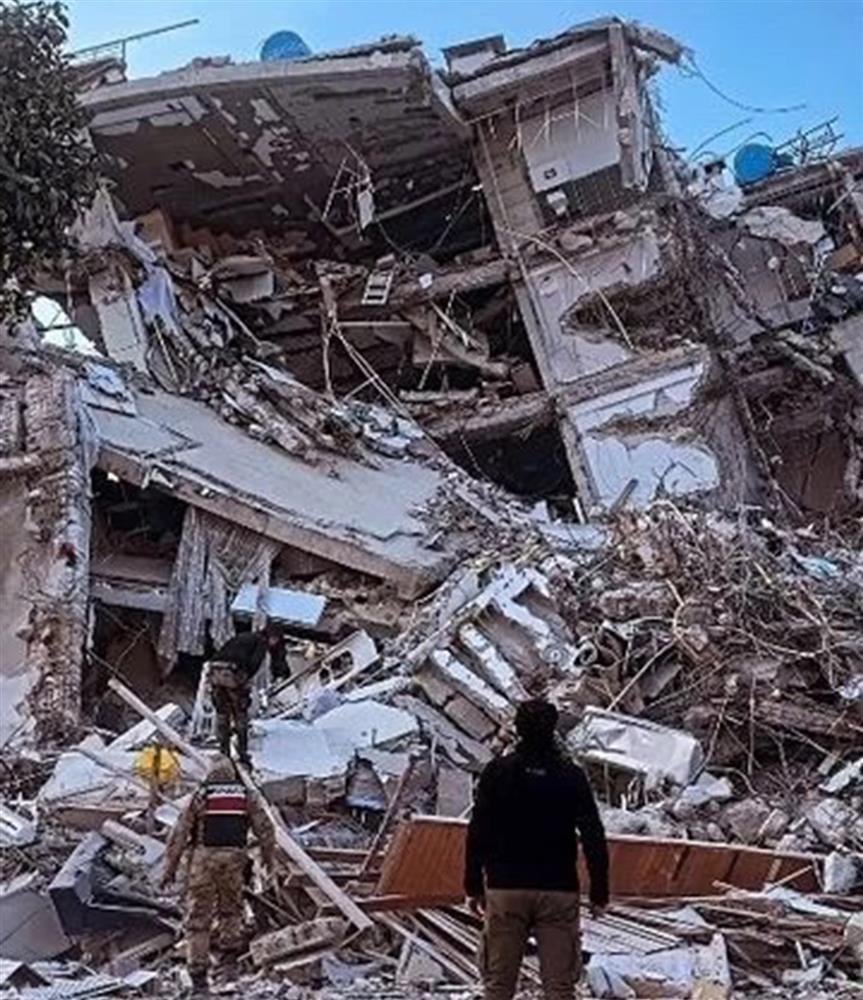
Earthquake is ground shaking caused by the sudden release of energy in the Earth’s crust. During this energy release, vibrations occur on the surface, and these vibrations can cause serious damage.
Our country is in a particularly disadvantageous position in this regard. Our geography has a long history of destructive earthquakes, and with every earthquake, we are painfully reminded of the importance and sensitivity of this issue.
Are we really this vulnerable and helpless against earthquakes, or is it possible to reduce our losses to nearly zero through building technologies?
Structural insulation includes a range of engineering measures and material applications used to prevent or minimize damage or collapse of buildings during an earthquake. These measures help buildings become more resistant to seismic effects.
One method is vibration isolation, which involves adding special devices or materials to building foundations or structural systems that absorb and dissipate vibrations. This reduces shaking and minimizes damage.
Flexible design is also an important factor, allowing structures to withstand high stresses during an earthquake. Flexible materials and structural systems can absorb and distribute seismic energy more effectively.
Building foundations and structural elements must be strongly secured or reinforced to prevent displacement or collapse during earthquakes.
Insulation is therefore one of the key solutions for buildings exposed to seismic risks.
Insulation materials are special components placed between structural elements. These materials absorb earthquake vibrations and prevent damage to building components.
Structural insulation is an important way to reduce earthquake damage and ensure human safety. Earthquakes can cause severe loss of life, property damage, and economic loss. Structural insulation minimizes these risks and improves building resilience.
Structural insulation is an essential part of civil engineering and structural design. In earthquake-prone regions, construction projects are designed and implemented in accordance with local regulations and seismic risk requirements. Therefore, individuals and businesses in such areas should consult experts about structural insulation.
Waterproofing and earthquake resistance are closely related critical elements in civil engineering and building design.
Waterproofing refers to measures taken to prevent water from entering roofs, exterior walls, foundations, and other water-exposed parts of a building. Buildings with insufficient waterproofing become vulnerable to water damage and deterioration. Water can weaken structural elements and compromise overall building integrity.
During earthquakes, ground motion can also compromise waterproofing systems. If underground waterproofing is weak or incomplete, the risk of water intrusion increases during seismic activity. Water can damage structural components, making post-earthquake repairs more difficult and costly.
The relationship between waterproofing and seismic resistance highlights the importance of proper engineering and design. Earthquake-resistant buildings integrate both systems. Such projects consider waterproof membranes, insulation layers, and drainage systems alongside structural reinforcement measures.
Good waterproofing and seismic design improve durability and reduce maintenance costs. Poor waterproofing can lead to unnecessary repair expenses and structural deterioration.
In conclusion, waterproofing and earthquake resistance are critical for building safety and durability. Proper engineering and design combine these two factors to minimize both water and earthquake damage, ensuring occupant safety and preserving building value.